Article
The Backbone of Sustainable Textiles
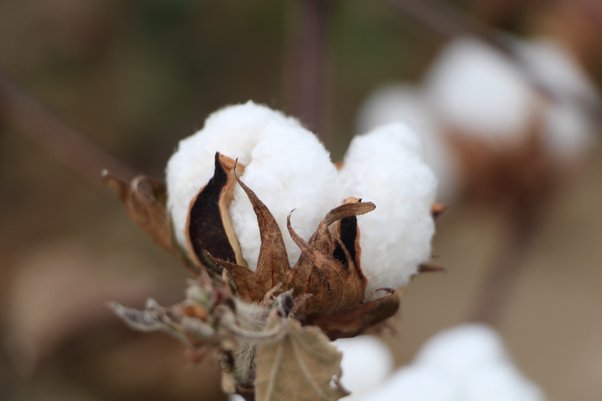
Cotton is more than just a crop — it is the backbone of the global textile industry and a livelihood source for millions of farmers, especially in countries like India. From soft everyday clothing to high-end home furnishings, cotton plays a vital role in our daily lives while shaping rural economies and sustainable development.
Cotton cultivation begins with careful soil preparation and seed selection. The crop thrives in warm climates with moderate rainfall and well-drained soil. After sowing, cotton plants take around 150–180 days to mature.
During growth, farmers manage:
Once mature, cotton bolls burst open, revealing soft white fibers ready for picking.
After harvesting, cotton undergoes several stages:
This long value chain supports farmers, ginners, spinners, weavers, exporters, and retailers.
India is one of the world’s largest cotton producers and exporters. Cotton supports:
States like Gujarat, Maharashtra, Telangana, Punjab, and Madhya Pradesh are major cotton-growing regions.
© 2026 Cotton Guru. All Rights Reserved. | Designed by AdvertSneak Technology