Weekly Newsletter
Cotton Market Weekly Highlights
Weekly Cotton Market Update – Week 10, 2026
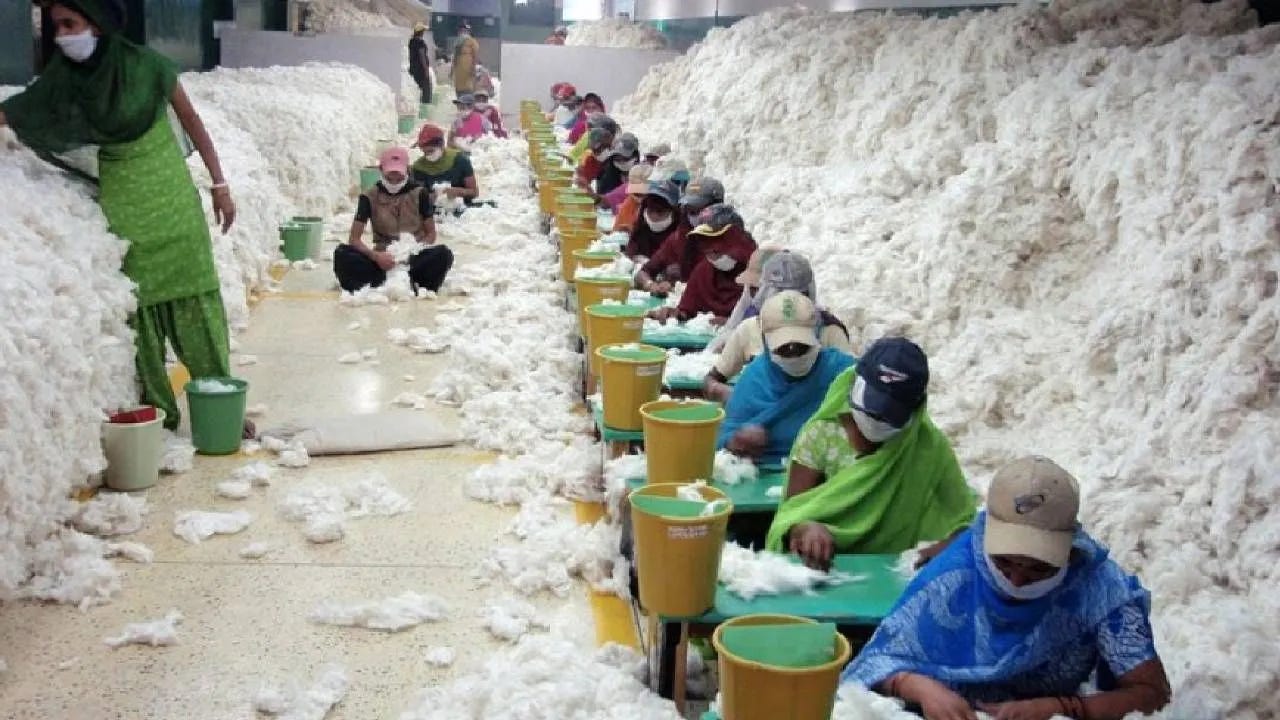
Cotton Market Weekly Highlights
Here’s what happened this week in cotton. Support stayed on, but pressure kept building. Prices, trade, and traceability all moved at once.
Maharashtra extends MSP cotton buying window:
Maharashtra extended cotton procurement by 15 days beyond the February 27 deadline after a request from Chief Minister Devendra Fadnavis, with CCI centres operating Monday through Friday during the extension. MSP remains ₹7,710 per quintal for medium staple cotton and ₹8,110 per quintal for long staple cotton, while better-quality open-market cotton was around ₹7,500; about 25% of cotton in Yavatmal remained unsold, and CCI had bought 113.54 lakh quintals in Maharashtra worth ₹9,020 crore by 20 February.
For cotton, this keeps an MSP-backed outlet open when market prices are below support levels, and unsold farmer stocks are still significant. This suggests procurement will continue to shape arrivals, realised prices and farmer liquidity in Maharashtra near season-end.
US pushes to cut India's cotton tariff:
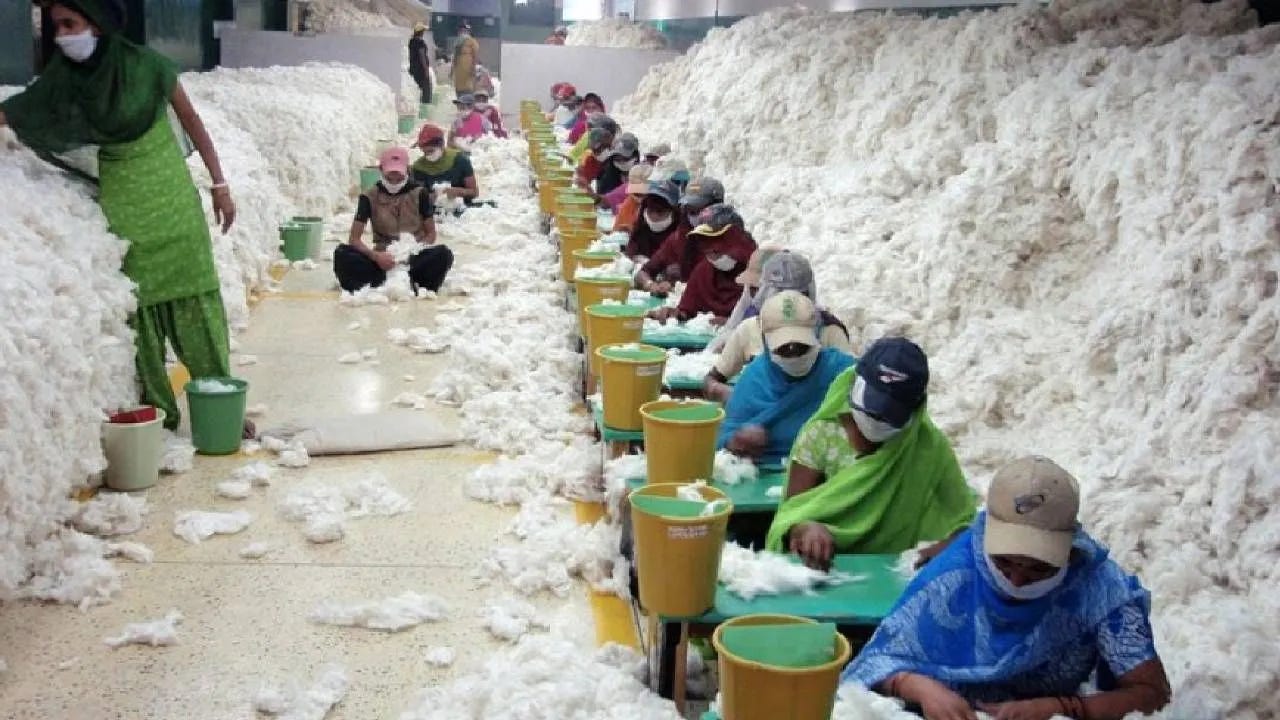
A group of senior US lawmakers led by Jodey Arrington asked the Trump administration to eliminate India’s 11% tariff on American cotton in a February 25 letter released on March 2. The letter to US Trade Representative Jamieson Greer came during interim trade-agreement talks, with lawmakers noting that 85% of US cotton production is exported and describing India as the world’s fourth-largest textile exporter. For cotton, this is a market-access push that could alter import competitiveness for US fibre into India, but no concession or timeline has been agreed. Expect this to remain a trade negotiation variable rather than an immediate change in Indian mill buying.

M&S backs biodiversity-linked cotton programme:
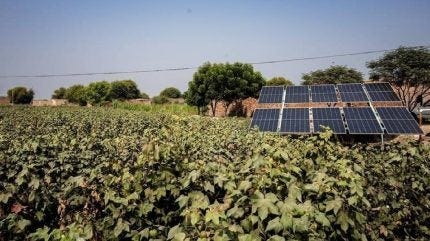
Marks & Spencer and Pilio launched the Affordable Clean Environment (ACE) cotton programme for cotton-growing communities in India, focused on clean energy access and biodiversity-linked farming practices. M&S says it will unlock financing for on-farm and off-farm solar technologies and support habitat creation, land restoration, native plantings, waterway habitat areas and nature corridors, but farmer count, acreage and funding were not disclosed. For cotton, this links farm practice change to brand supply-chain strategy in a fibre that accounts for more than half of M&S’s total fibre mix. Net-net, brands are trying to make cotton resilience and environmental performance part of long-term sourcing readiness, even without disclosing immediate volume commitments.
Women’s leadership rises in Better Cotton India:
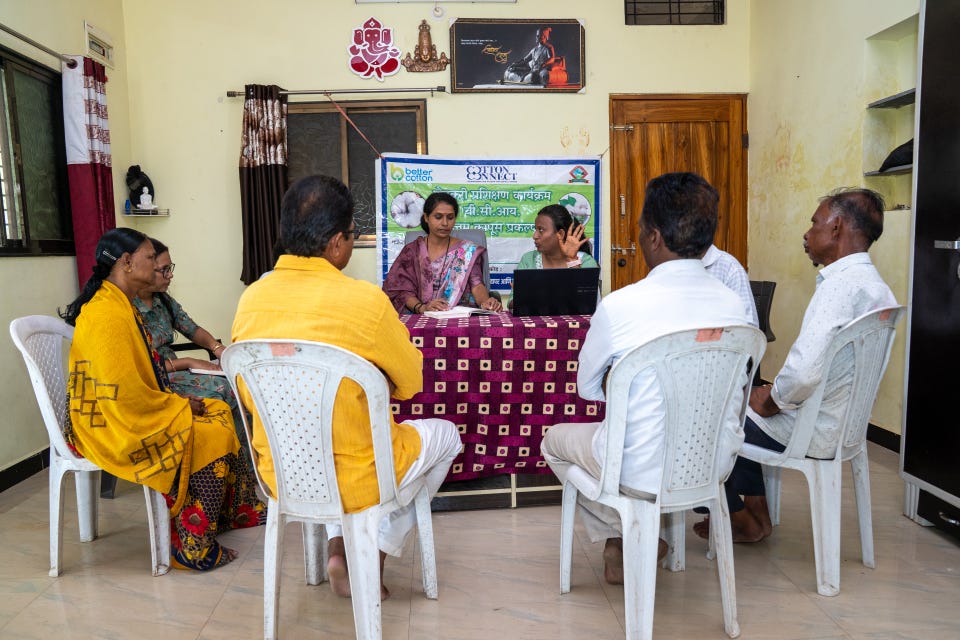
Better Cotton says that by the 2024/25 season, women accounted for 26% of Producer Unit Managers and 28% of field staff in India, while globally women made up over 15% of Producer Unit Managers and field staff in 2023/24 versus 9% in 2019/20. The organisation also says more than 575,000 women farmers and workers attended one or more training events this season, and over 90 women staff now serve as Producer Unit Managers and Gender Leads in India. For cotton, stronger women’s participation in field delivery and farm training can affect how agronomy, compliance and programme adoption are executed on the ground. This suggests capability-building is becoming part of cotton sector performance, not just a social add-on.
OCA sharpens data and farm funding:
Organic Cotton Accelerator is preparing a new five-year strategy that expands beyond farmer income to include social conditions, biodiversity, climate, decent work and water use across organic cotton supply chains. The article also points to OCA’s first regional life cycle assessment on organic cotton in India and says the OCA Farm Fund is designed to route premiums and service payments directly to implementation partners and farmers. For cotton, the signal is that verification, evidence and payment design are moving closer to the centre of how organic programmes are run. That likely means future cotton demand from brands will depend increasingly on measurable outcomes, not just fibre claims.

CottonConnect opens REEL custody consultation:
CottonConnect has opened a public consultation on draft Version 1.0 of its REEL Chain of Custody Standard, according to Ecotextile. The visible text says the standard is meant to extend REEL cotton integrity from the gin to finished textile products and ensure claims are accurate, substantiated and independently verifiable. For cotton, this is about tightening claim integrity beyond the farm gate and into textile conversion stages where credibility often gets tested. Expect traceability standards to matter more in the cotton market access, where buyers want verifiable chain-of-custody claims.
Geopolitics weighs on the cotton demand mood:
PRICE Futures Group said cotton was lower again on concern that war with Iran could curb export demand for US cotton, with much of that demand tied to the Middle East. The note also said production in India and Brazil is expected to be high, ICE posted zero notices for delivery against March futures, total deliveries for the month stood at 600 contracts, and May cotton showed support at 63.40, 62.00 and 60.80 with resistance at 64.80, 65.80 and 66.40. For cotton, this combines demand-side anxiety with expectations of ample overseas supply, which keeps trade sentiment fragile. This suggests price direction will stay sensitive to export-risk headlines as much as to crop fundamentals.
© 2026 Cotton Guru. All Rights Reserved. | Designed by AdvertSneak Technology