Weekly Newsletter
Cotton Market Weekly Highlights
Weekly Cotton Market Update – Week 11, 2026

Cotton Market Weekly Highlights
What do a 35% profit jump, a $100 billion export target, and fresh US cotton buying tell us? The market is pulling in different directions at once: sustainability, scale, recycling, and trade are all moving, but not at the same speed. Here’s what happened this week.
Regenerative cotton lifts farmer profits:
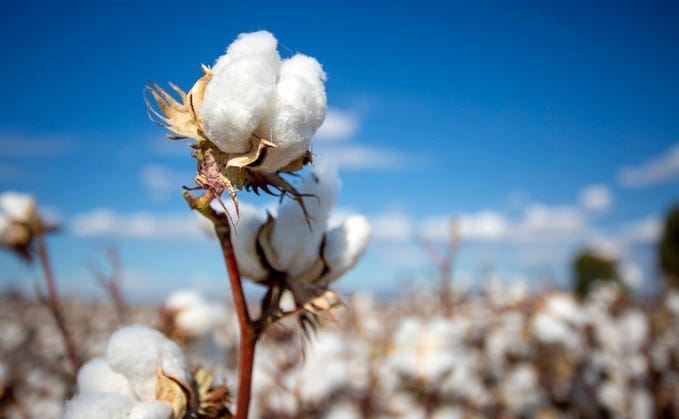
A March 11 study found that regenerative agriculture, combined with end-to-end traceability in cotton supply chains, can increase farmers’ profits by 35% while improving climate resilience and brand sustainability credentials. The available materials did not disclose methodology, sample size, geography, participating organizations, or exact financial figures. The key point is that farmer economics and traceability are being linked in one model rather than treated separately. This suggests regenerative cotton programs can gain traction when they improve grower returns while meeting brand verification needs.
India lays out 2030–31 textile goals:
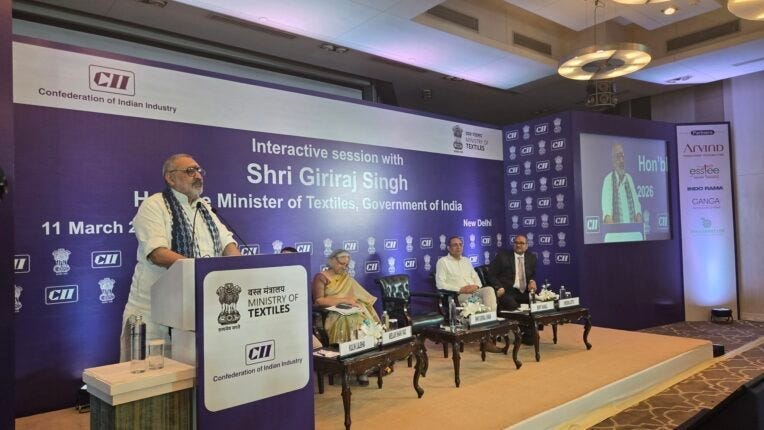
On March 11, Union Textiles Minister Giriraj Singh launched Bharat Tex 2026 and said India is targeting a $350 billion textile economy and $100 billion in textile exports by 2030–31. The event will run from July 14 to July 17, 2026 in New Delhi, with 3,500+ exhibitors, 7,000+ international buyers from 140+ countries, and 1.3 lakh+ trade visitors. This matters because the 5F framing keeps fibre at the centre of India’s scale-up plan, while fibre production must rise from about 15 million metric tonnes to nearly 23 million metric tonnes. Expect stronger focus on value addition, year-round manufacturing, and export competitiveness.
India maps textile waste economy:
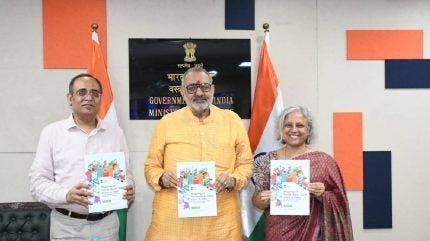
On March 10, India’s Ministry of Textiles released “Mapping of Textile Waste Value Chain in India,” saying the country generates 7,073 KTPA of textile waste each year, with 58% from post-consumer and 42% from pre-consumer sources. More than 70% is recovered, pre-consumer recovery is put at over 95% and also specified as 97%, and the recycling market could reach $3.5 billion by 2030 with about 1 lakh new green jobs over five years. Spinning waste is already being reintegrated, and that post-consumer collection and sorting supports roughly 4 to 4.5 million livelihoods. Net-net, circular textile value chains are becoming more commercially visible, especially where spinning scrap and mechanical recycling already scale.
USDA shows India buying US cotton:
USDA’s weekly review published March 13, 2026 said base quality cotton averaged 61.68 cents/lb for the week ended March 12, versus 61.26 cents/lb a week earlier and 62.83 cents/lb a year earlier, with daily quotes from 60.99 to 62.09 cents/lb. Spot transactions were 25,925 bales, season total 1,277,102 bales, while ICE May futures settled at 65.14 cents/lb versus 64.04 cents/lb the previous week. Separately, export-sales data for the week ended March 5 showed net upland cotton sales of 253,200 running bales, including 17,100 running bales to India, plus 9,000 running bales of Pima exports to India. This suggests India remained an active buyer in the reporting week even as price and futures indicators edged higher.

Sustainable cotton yarn prices move up:
A March 11 monthly price report tracked organic and Better Cotton cotton and yarn prices and said sustainable cotton yarn prices advanced over the past four weeks. It also said spinner margins widened because fibre costs did not keep pace with yarn prices. The key signal is that sustainable yarn is outperforming fibre in pricing, supporting better mill economics in certified supply chains. That likely means stronger commercial incentive to expand organic and Better Cotton processing if yarn demand holds.
© 2026 Cotton Guru. All Rights Reserved. | Designed by AdvertSneak Technology