Weekly Newsletter
Cotton Market Weekly Highlights
Weekly Cotton Market Update – Week 16, 2026

Cotton Market Weekly Highlights
India’s cotton market is shifting from procurement yards to policy design. Exports are soft, imports are rising, and mills are watching every duty signal. Here’s what happened this week in cotton:
Bhavantar Pilot May Reset MSP Procurement:
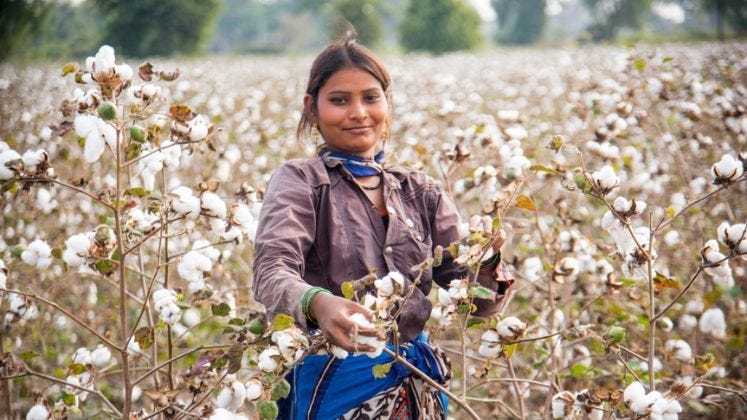
The Cotton Corporation of India (CCI) is preparing a proposed shift from direct MSP procurement toward the Bhavantar Scheme, or Price Difference Scheme, for Andhra Pradesh and Telangana in the 2026–27 cotton season. Farmers would sell in the open market, and if prices fall below MSP, the difference would be paid through DBT; the example given is ₹8,110 MSP, ₹7,000 market price, and ₹1,110 per quintal support. This moves farmer support from physical procurement to price compensation, changing how arrivals, sales timing, and mill sourcing may behave. This suggests MSP support may remain, but CCI’s role could become less about holding stocks and more about funding price gaps.
Duty Relief Considered for Textile Inputs:
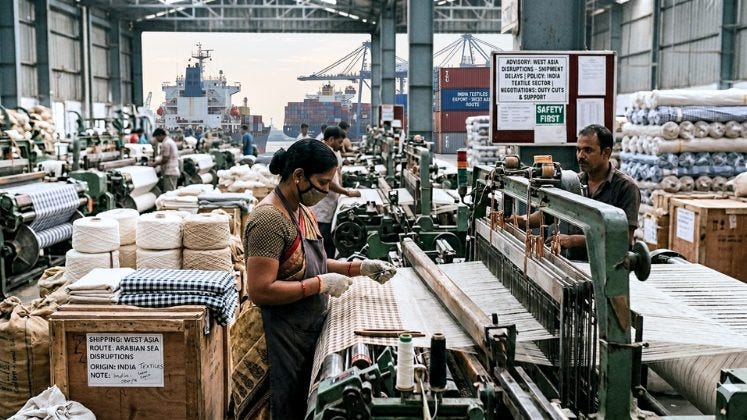
India’s Ministry of Textiles proposed duty reductions and regulatory relaxations to support textile raw material availability amid West Asia-linked supply pressure. Measures under consideration include lower duties on select cotton varieties and rayon pulp, deferring anti-dumping duties on elastomeric fibre yarn and viscose rayon filament yarn, and removing the minimum import price on certain knitted fabrics. For mills, lower import duties could improve access to specific fibre varieties but may also pressure domestic price sentiment if imports become easier. Net-net, the policy direction points to easing input costs while keeping farmer-price sensitivity alive.
Exports Slip While Cotton Imports Rise:
India’s textile and apparel exports fell 14.02% year on year in March 2026 to $2.912 billion, with apparel down 18.99% and textiles down 9.91%. For April 2025–March 2026, exports declined 2.21% to $35.799 billion, while cotton yarn, fabrics, made-ups and handloom exports fell 10.26% in March to $1.003 billion, and raw cotton plus cotton waste imports rose 54.91% in FY26 to $1.889 billion. Across the cotton value chain, weaker export momentum and higher import dependence point to pressure on competitiveness and mill economics. This suggests India is still managing cost, demand, and fibre-availability stress despite full-year resilience.

Higher Acreage May Lift Cotton Supply:
USDA’s Foreign Agricultural Service projected India’s 2026–27 cotton area to rise 3% to 11.5 million hectares, with production at 25.2 million 480-lb bales, up 7% year on year. Yield is projected at 477 kg per hectare, domestic mill consumption at 25.8 million bales, and imports at around 3 million bales as domestic availability improves. The bigger supply signal is that stronger acreage, output, and yield could reduce reliance on imported fibre if the monsoon supports the forecast. This suggests mills may get improved domestic availability, but consumption remains close to production.
© 2026 Cotton Guru. All Rights Reserved. | Designed by AdvertSneak Technology