Weekly Newsletter
Cotton Market Weekly Highlights
Weekly Cotton Market Update – Week 2, 2026
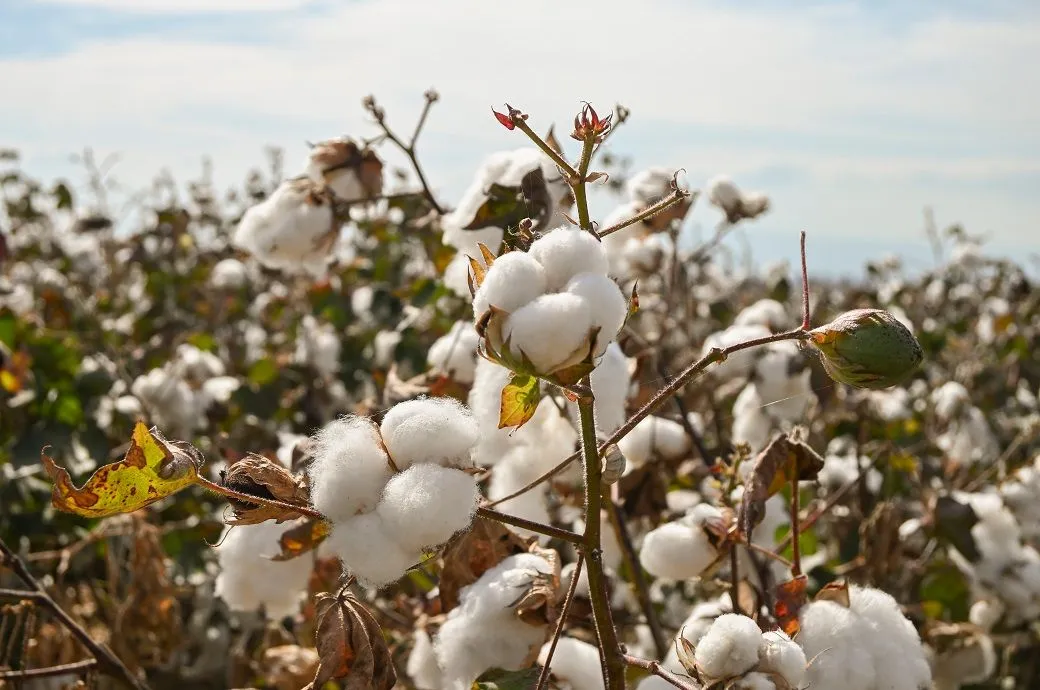
Cotton Market Weekly Highlights
Cotton’s signal is becoming noisier across India’s supply chain. Supply appears tighter, but mills are monitoring demand and tariffs. Here’s what happened this week: policy initiatives, new seed releases, softer futures, lower acreage, and firmer yarn.
Ministers’ meet signals 2030 textile hub push:
The National Textiles Ministers’ Conference 2026 is scheduled from January 8, 2026 in Guwahati, Assam, organised by the Ministry of Textiles with the Government of Assam under “India’s Textiles: Weaving Growth, Heritage & Innovation”. The agenda spans policy, investment, sustainability, exports, infrastructure, technology, PM MITRA Parks, and a North-East conclave on silk/handloom/handicrafts/bamboo textiles. For cotton, this signals centre–state alignment on export push and infrastructure/compliance levers that shape mill competitiveness and procurement behaviour. Net-net, expect more coordinated pressure to build integrated cotton value chains where projects can show scale, traceability, and investability.

184 new varieties include 24 cotton options:
Union Agriculture Minister Shivraj Singh Chouhan released 184 new varieties across 25 crops in New Delhi, including 24 cotton varieties (22 Bt cotton), aimed at higher productivity, lower input costs, and climate resilience. The 184 varieties were developed by ICAR institutions (60), state/central agriculture universities (62), and private seed companies (62), with a direction to ensure farmers can access them for commercial cultivation within three years. If these cotton varieties deliver pest/disease resistance and input-cost reduction on-farm, it improves farmer economics and supply stability for ginners and mills. This suggests cotton programmes, depending on farmer retention, could get easier, if seed multiplication and adoption happen on schedule.

Futures dip; duty returns; US support expands:
The “PCCA Cotton Market Weekly” dated January 5, 2026 reports March futures settled at 64.01 cents/lb, down 48 points on the week, with open interest up 4,426 to 304,963 and certificated stocks at 11,510 bales after 90 bales were decertified. It also flags India’s 11% cotton import duty from January 1, 2026, and notes USDA’s one-time $11 billion Farmer Bridge Assistance with cotton at $117.35 per eligible acre, payments expected by February 28, 2026, and a payment limit reduced to $155,000 from $250,000. For cotton in India, duty changes import parity immediately, while global futures and US support shift market expectations that feed into domestic price risk. Expect mills to rework import vs domestic mixes faster, and suppliers to face tighter negotiation on landed cost and quality terms.

ICRA flags output -1.7% on acreage slide:
An ICRA note citing first advance estimates projects CYi 2026 cotton output down 1.7% year on year to 29.2 million bales, with acreage ~20% below the 2021 peak and another ~3% year-on-year decline after a 9% contraction in CYi 2025, despite yield up 1.8%. It also reports imports up 85% year on year to 1.5 million bales of 170 kg in the first five months of FY26, cotton prices marginally below MSP since November 2024, MSP up 8% for CYi 2026, and contribution expected at ₹98–100/kg for FY26. For cotton, this is a squeeze: supply tightens structurally via acreage while mills lean more on imports and still face margin pressure downstream. That likely means procurement gets more selective on quality and price, and farmer-linked cotton programmes will need clearer mill offtake and risk-sharing to stay viable.
Yarn firms up; tariff fears cap confidence:
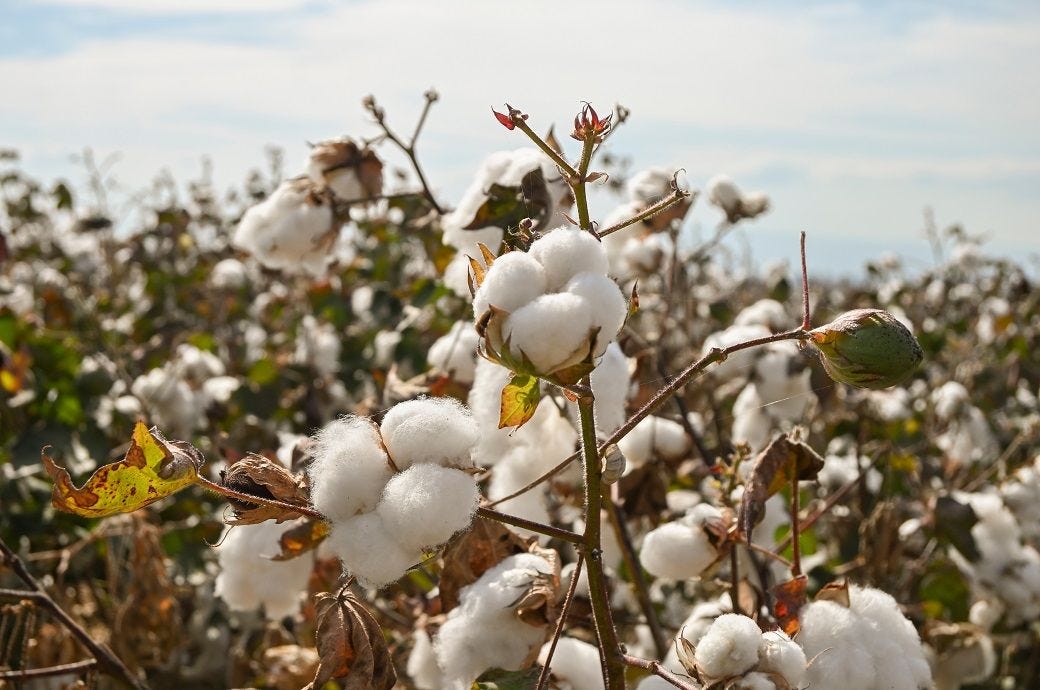
Cotton yarn prices firmed in early January as mills reacted to higher cotton prices and tighter raw-material availability, with buying reported across South and North India hubs as some weavers and garment makers increased offtake to lock in prices. The market remained uneasy about potential new or higher US tariffs on Indian textile and apparel exports, with trade not yet disrupted, and the cost backdrop referenced CCI procurement plus a return of import duty. When yarn follows cotton up, it supports near-term lint demand—until downstream baulks at passing costs through. Expect cotton demand from mills to stay price-sensitive and headline-driven, with export-tariff uncertainty acting as a brake on aggressive forward cotton buying.
© 2026 Cotton Guru. All Rights Reserved. | Designed by AdvertSneak Technology