Weekly Newsletter
Cotton Market Weekly Highlights
Weekly Cotton Market Update – Week 5, 2026
Cotton Market Weekly Highlights
India’s textile story is moving fast, but the real signal sits between trade, policy, and mill sentiment. Export opportunities are opening up, while questions on competitiveness, sourcing costs, and execution are still unresolved. Here’s what happened this week.
Budget puts new money behind textiles:
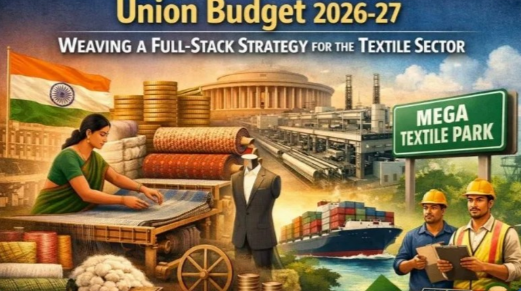
The Union Budget 2026–27 proposed an Integrated Programme for textiles, covering fibres, cluster modernization, handlooms and handicrafts, sustainability, and skilling, along with Mega Textile Parks. In the Ministry of Textiles' budget for BE 2026–27, the total is ₹5,279.01 crore, comprising ₹1,500.00 crore for the Integrated Textile Program, ₹405.00 crore for PLI, and ₹300.00 crore for PM-MITRA. The budget is clearly supportive of downstream manufacturing capacity, modernization, and sectoral scale-up. Net-net, the industry gets a stronger policy push, but the raw material side will still watch for clearer signals on fibre economics and procurement support.
India-EU factsheet sharpens tariff gains:
India’s Commerce Department factsheet says the India–EU deal gives market access for more than 99% of India’s exports by trade value, with bilateral merchandise trade at about ₹11.5 lakh crore ($136.54 billion) in 2024–25. It says 70.4% of tariff lines covering 90.7% of exports will get immediate duty elimination, and exports worth about $33 billion facing duties of 4% to 26% will enter at zero duty from the entry into force. This gives sharper visibility on the scale and timing of tariff relief instead of leaving it at the headline level. The takeaway is that export-oriented manufacturers now have a more concrete competitiveness story to build around once implementation begins.

Mills push for zero-duty cotton imports:
Textile industry bodies led by SIMA asked the government to allow cotton imports at zero duty without time restrictions in Budget 2026–27, while also seeking duty-free imports of cotton waste for clusters around Karur, Erode, Salem, and Madurai. The submission also covered recycled-product classification, speciality fibre duty exemptions, removal of anti-dumping duty on PTA and MEG, and faster tech-upgradation support. The ask shows mills are still highly sensitive to fibre cost and procurement flexibility despite a better domestic crop outlook. This suggests the sourcing strategy remains centred on keeping import options open rather than relying only on local availability.
Government doubles down on textile scale:
India’s domestic textile and apparel market rose from ₹8.4 lakh crore to about ₹13 lakh crore over five years, while exports increased from ₹2.49 lakh crore in 2019-20 to nearly ₹3.5 lakh crore in 2024–25. It also cites PM MITRA parks attracting about ₹18,500 crore and generating about 3 lakh direct and indirect jobs once operational. That is supportive for fibre demand, but only if this capacity translates into real throughput across spinning, weaving, and apparel. That likely means policy intent is strong, while actual market impact will depend on execution and utilization.

CAI raises crop, stocks stay comfortable:
The Cotton Association of India pegged the 2025–26 crop at 317.00 lakh bales, up 7.50 lakh bales from 309.50 lakh bales, with higher estimates for Maharashtra at 80.00 lakh bales, Telangana at 60.00 lakh bales, and Karnataka at 19.00 lakh bales. Total supply was placed at 413.59 lakh bales, domestic consumption at 305.00 lakh bales, exports at 15.00 lakh bales, and closing stock at 78.59 lakh bales. The balance sheet points to better raw material availability and less immediate scarcity pressure for mills. Net-net, the revised crop and projected closing stock indicate a more comfortable supply backdrop unless demand rises faster than expected.
US tariff signal offers export relief hope:
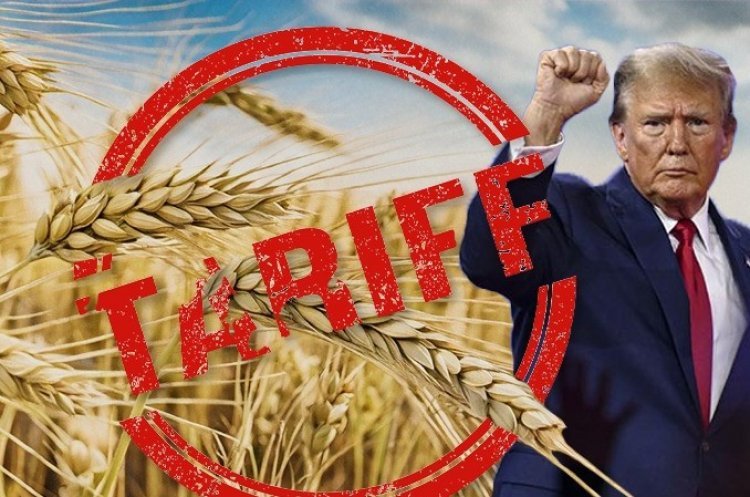
US Treasury Secretary Scott Bessent indicated there is a path to remove a 25% penal tariff on India, linking it to declining purchases of Russian crude oil. It presents the move as a possible easing in trade friction for Indian exports to the US, including textiles, but gives no product-level notification text or timeline. Any rollback would matter through better export competitiveness for Indian textile and apparel shipments into the US market. Expect mills and exporters to stay cautious until formal tariff details, coverage, and timing become clear.
© 2026 Cotton Guru. All Rights Reserved. | Designed by AdvertSneak Technology