Weekly Newsletter
Weekly Cotton Market Update – Week 6, 2026

What changed in cotton-textiles this week, and what you should not miss. Margins may ease for exporters, but the real test is whether orders convert into mill buying. Here’s what happened this week:
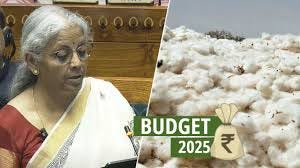
Zero-duty ELS cotton aims to boost exports:
Simply Commodities reports India’s Union Budget 2026–27 moved extra-long staple (ELS) cotton to the First Schedule, reducing customs duty to zero, citing CAI. It says ELS (33 mm and above) is imported ~5–7 lakh bales mainly from the USA and Egypt due to limited domestic supply, while ELS is grown on about 2 lakh hectares, largely DCH-32 in parts of Karnataka. For cotton, cheaper imported ELS can lower raw material costs for premium yarns and export-grade textiles, changing blend choices and sourcing math. This suggests ELS import demand could stay firm (or rise) as mills chase higher-value orders with better fibre access.
CCI e-auction terms tighten deposits, timelines:
The Cotton Corporation of India (CCI) issued updated terms for FP cotton bales via e-auction, with security deposits by category and slab: 10% for KVIC/co-op/MSME/institutional mills; private mills 10% up to 2,999 bales and 15% for 3,000+; traders 15% up to 2,999 and 20% for 3,000+. Buyers must pay the deposit within five days, complete selection within 10 days, and lots offered can be 120% of the contracted quantity (where the contract is at least 300 bales), with lock-in up to 90 days beyond lifting and per-bale charges. These rules directly change cotton working-capital needs and delivery flexibility, especially by raising cash blocked for traders at scale. This suggests procurement could tilt toward mills with planned lifting and away from higher-leverage trading bids when demand is uncertain.
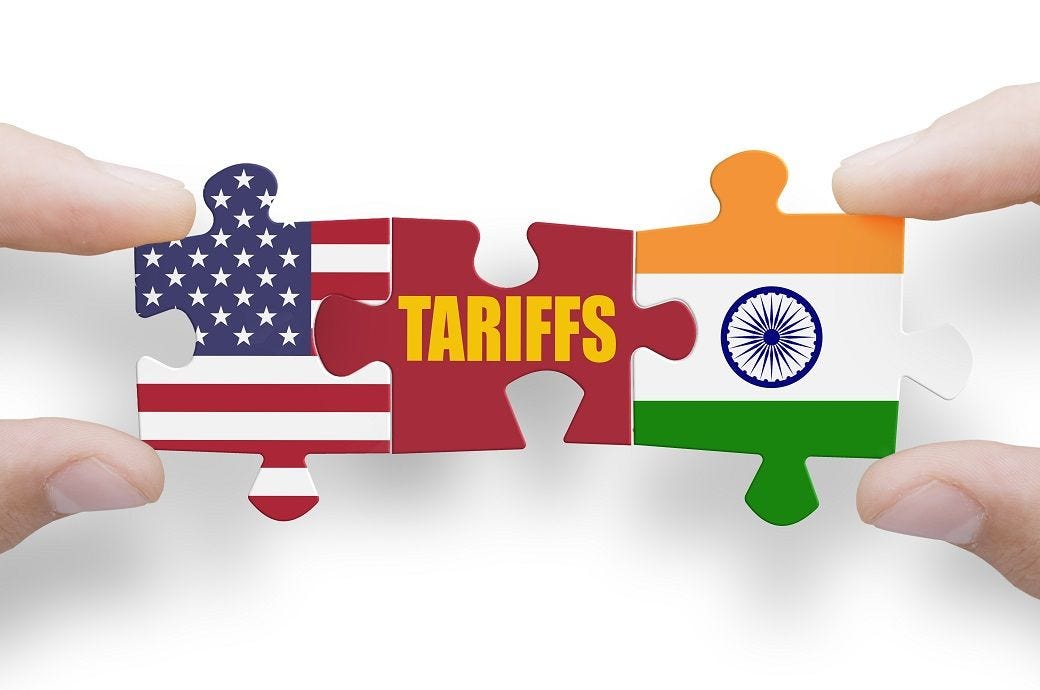
India–US tariff reset lifts exporter mood:
A report says an India–US trade deal resets US tariffs on Indian apparel to around 18%, giving India about a 2% edge over competing sourcing nations. Exporters expect margin relief in the closing months of FY 2025–26 after months of discounts to offset a penalty tariff, with hopes of top-line improvement from Q2 next FY. If US bookings improve, cotton-based apparel and home textile orders can firm up yarn and fabric demand. This suggests Indian mills may shift from hand-to-mouth cotton buying toward steadier cover into FY 2026-27.
OCA learning exchange spotlights transition realities:
Organic Cotton Accelerator says farmer “journeys” shape the shift to organic and regenerative cotton, highlighted during the Regenerative Fund for Nature’s 2025 Learning Exchange hosted in India last December. It notes the fund was launched in 2021 by Kering and Conservation International, Inditex joined in 2023, and OCA supports the adoption of up to 20 practices across five Indian states via capacity building and demonstration plots. For cotton, the thread is that practice change scales only when farmers see steady market access and premium rates, yet no premium figures or volumes were shared here. This suggests brands and programs will need clearer commercial pull-through (premiums + offtake) to move organic/regenerative cotton beyond pilots.
© 2026 Cotton Guru. All Rights Reserved. | Designed by AdvertSneak Technology