Weekly Newsletter
Cotton Market Weekly Highlights
Weekly Cotton Market Update – Week 7, 2026
Cotton Market Weekly Highlights
Cotton policy took a sharper turn this week. The pressure points are now visible across farms, trade, and textile demand. Here’s what happened this week.
Farmers push back on U.S. cotton import talk:
Cotton farmer groups protested remarks that India could import raw cotton from the U.S., process it into cloth, and export finished goods back under a zero reciprocal tariff route. Farmer bodies warned cheap imports could hurt domestic prices; SKM cited a ₹10,075 per quintal benchmark versus MSP at ₹7,710, and said U.S. cotton imports rose 95.5% from $199.30 million to $377.90 million in Jan–Nov 2025. The concern is not just imports, but whether policy signals weaken confidence in domestic farmgate prices and procurement support. This suggests any zero-tariff raw cotton route would be seen as bearish by growers already under price pressure.
UP puts fresh money into textile capacity:
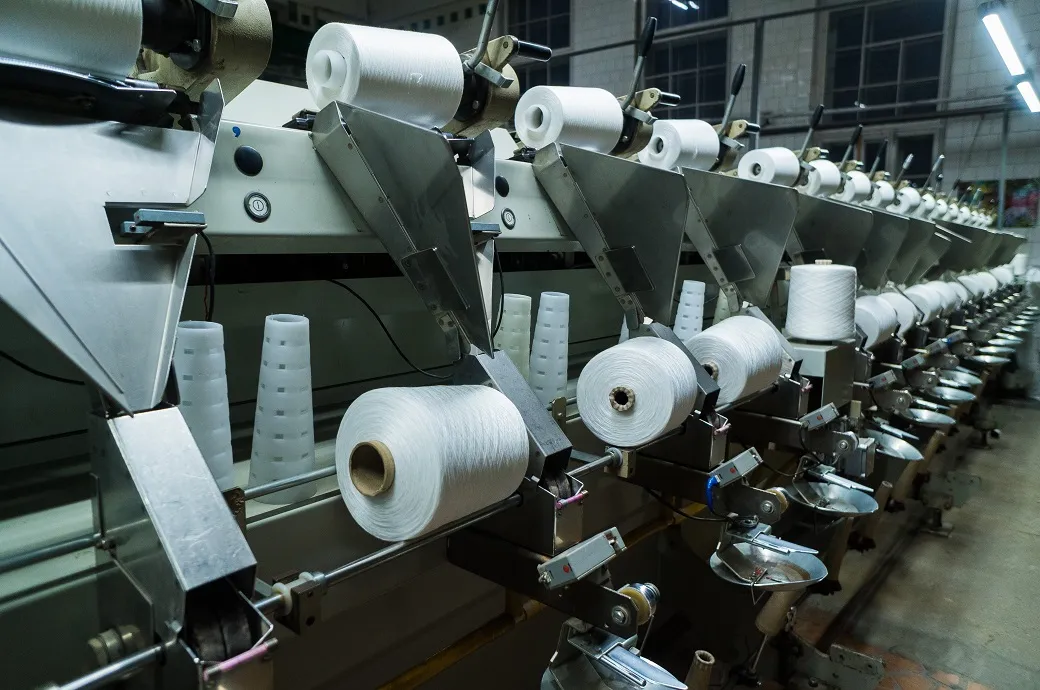
Uttar Pradesh earmarked ₹50.41 billion for the handloom and textile sector in FY27, including ₹44.23 billion under the Atal Bihari Vajpayee Powerloom Bunker Vidyut Flat Rate Yojana to subsidise power costs. The budget also proposed ₹1.5 billion under the Uttar Pradesh Textile and Garmenting Policy, 2022, and set a textile-sector job target of 30,000 in FY28. Lower power costs can improve yarn and fabric economics by lifting margins for weavers and processors in a key manufacturing state. Net-net, stronger downstream textile economics could support raw material offtake if capacity utilisation and order flow improve.
Bangladesh tariff shift worries Indian exporters:
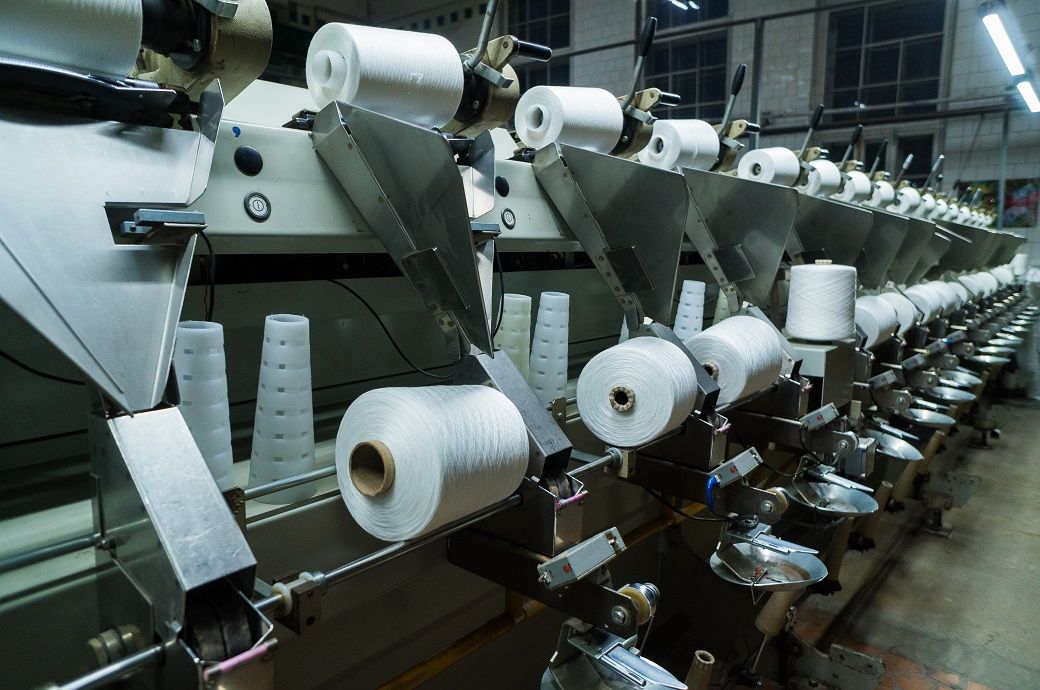
The U.S. is set to cut reciprocal tariffs on Bangladesh goods from 20% to 19%, narrowing India’s tariff gap from 2% to 1%, while creating a zero reciprocal tariff mechanism for a limited volume tied to U.S.-produced cotton and man-made fibre inputs. During Jan–Nov 2025, U.S. textile imports from India and Bangladesh were $9.06 billion and $7.77 billion, while India’s monthly imports dipped 5%, 30.1%, and 31.4% in September, October, and November. The bigger risk is not only garment competition, but a possible sourcing tilt toward U.S. fibre-linked supply chains over Indian yarn. Expect pressure on India’s cotton yarn trade with Bangladesh if tariff-linked incentives begin to reshape raw material choices.
)
Circular rules tighten textile waste handling:
On 9 February 2026, the European Commission banned the destruction of unsold textiles under the Ecodesign for Sustainable Products Regulation. In the same period, India updated its Solid Waste Management Rules, 2026, making four-stream waste segregation mandatory and embedding circular economy principles into national policy. This can gradually reshape brand and mill material strategy by raising the value of durability, reuse, and waste recovery in textile supply chains. That likely means natural fibres such as cotton will need to be positioned not only on price, but also on circularity and waste outcomes.

© 2026 Cotton Guru. All Rights Reserved. | Designed by AdvertSneak Technology