Weekly Newsletter
Cotton Market Weekly Highlights
Weekly Cotton Market Update – Week 8, 2026
Cotton Market Weekly Highlights
Procurement stayed open. Imports kept rising. Policy and sourcing signals moved in different directions. Farmer support held firm. Mill economics stayed under pressure. Sustainability messaging moved closer to execution. Here’s what happened this week.
CCI keeps MSP window open till month-end:
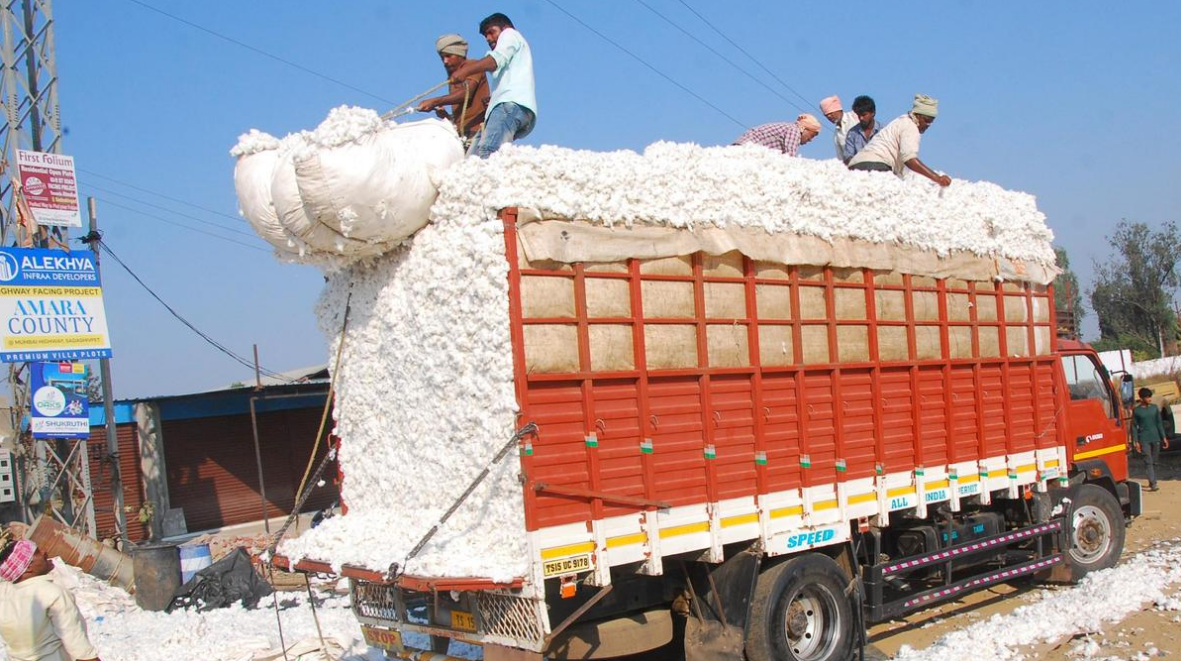
The Cotton Corporation of India kept procurement open until the end of February 2026 after Telangana sought more time due to ongoing harvesting. As of February 21, 2026, it had procured 16.15 lakh tonnes worth ₹12,823 crore from over 8.8 lakh farmers, with MSP fixed at ₹8,110 per quintal under fair average quality norms. This extends a price backstop at a crucial stage of arrivals and gives growers and FPOs more room to sell into official channels. Net-net, continued MSP buying helps protect farmgate realisations while keeping raw material flow orderly for the downstream chain.
India’s cotton import bill jumps sharply:
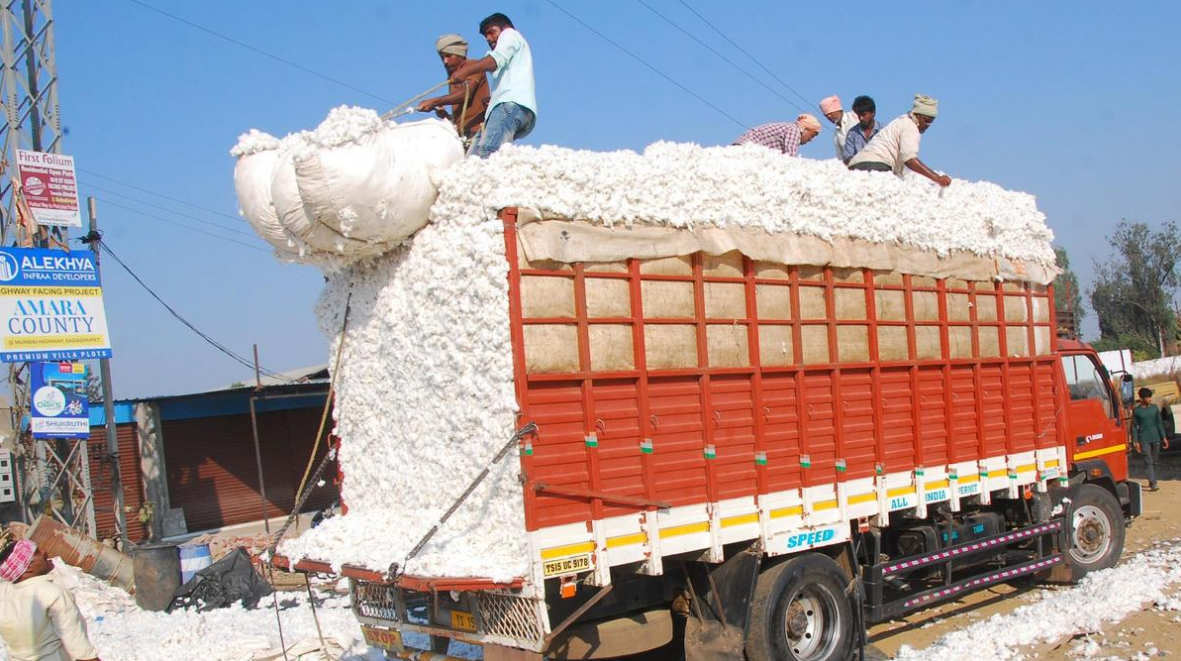
India’s raw cotton and cotton waste imports reached over $1.79 billion, or ₹15,857 crore, in April–January, up 72% in dollar terms and 81% in rupee terms from a year earlier. CAI estimated imports at about 35 lakh bales up to the end of January in the 2025–26 cotton year and projected 50 lakh bales for the season versus 41 lakh bales last year. The scale of imports shows mills kept leaning on overseas cotton when domestic fibre was relatively expensive. This suggests international parity and fibre quality needs were strong enough to reshape sourcing despite India’s large own crop base.

TEEM and Tex Eco move into focus:
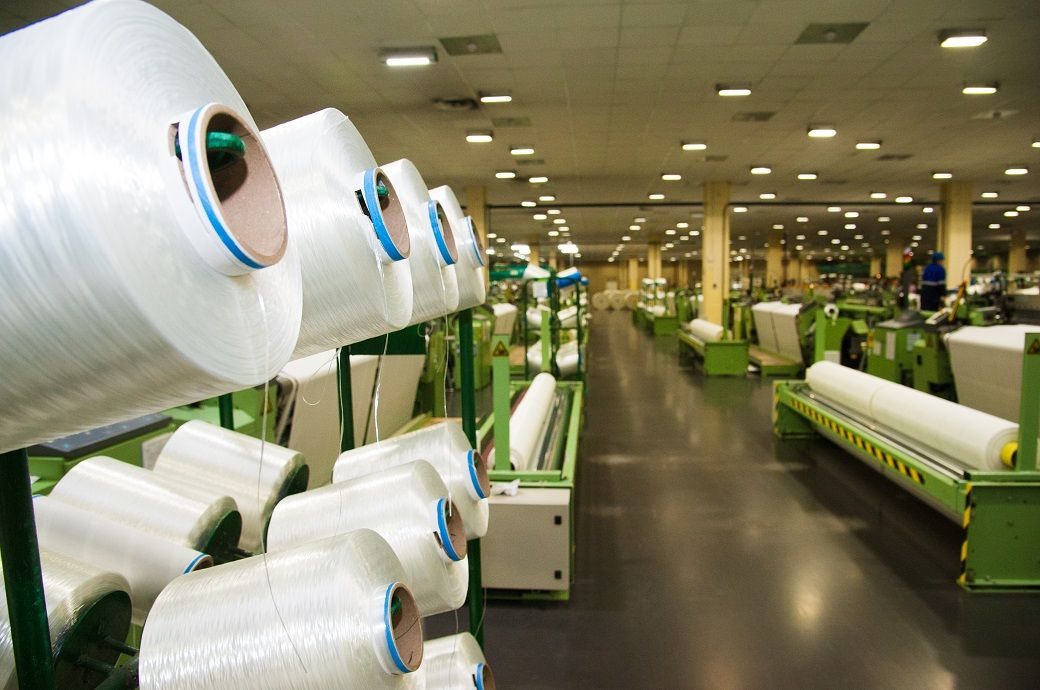
The Ministry of Textiles held a post-Budget consultation on February 19 at Vanijya Bhawan to discuss rollout priorities for the Textile Expansion and Employment (TEEM) Scheme and the Tex Eco Initiative. The discussion framed TEEM around modernisation, investment, MSME participation, and jobs, while Tex Eco centred on sustainability, circularity, resource efficiency, and green manufacturing. That matters because spinning, weaving, processing, and garmenting policy eventually shapes how cotton demand is built or displaced across the value chain. Expect the real signal to come from how quickly these frameworks convert into plant-level capex, adoption, and offtake.
Bharat CotNet pushes the Kasturi village model:
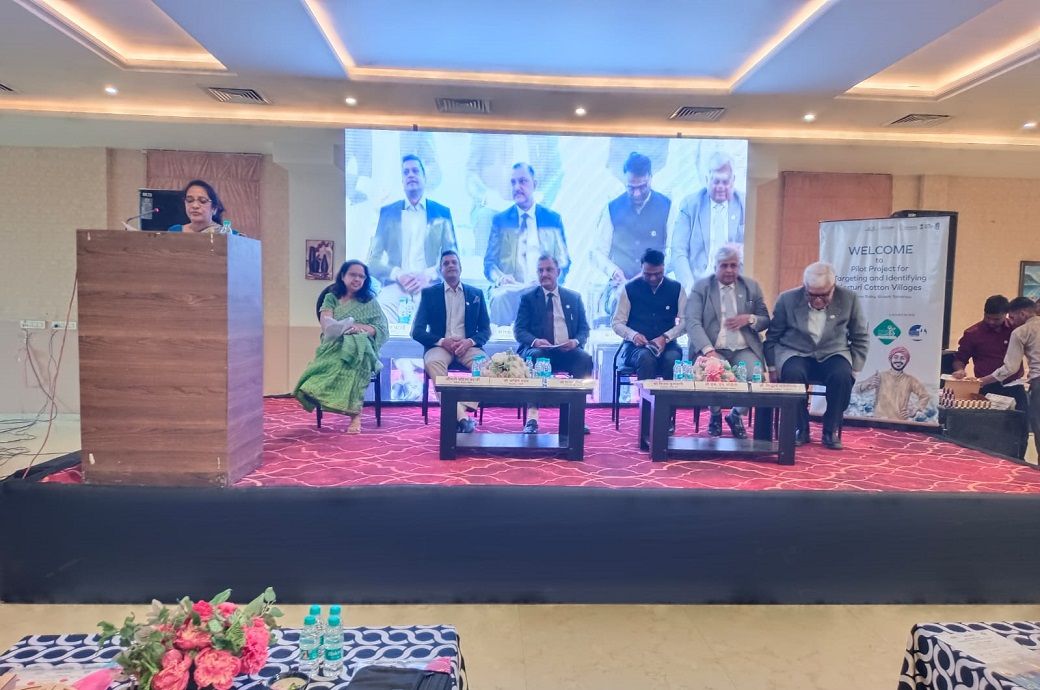
Bharat CotNet 2026 was held in Bhilwara on February 17, with the launch of Kasturi Cotton Villages and Kasturi Cotton Mitras to strengthen premium and extra-long staple production through traceability and scientific agronomy. The plan targets 3–5 model villages per district across India’s cotton belt, while field facilitators support soil regeneration, water management, and judicious fertilizer use. This is a direct attempt to move premium cotton from brand language into village-level execution. That likely means stronger future differentiation for traceable fibre, especially where quality, consistency, and stewardship begin influencing procurement decisions.
Eco-fibre sourcing gains local momentum:
India’s summer fashion market is seeing stronger use of sustainable fibres, with locally sourced organic cotton highlighted as the most accessible and widely adopted option in the visible coverage. The report also points to growing interest in kala cotton from Kutch, alongside Tencel, recycled polyester, hemp, bamboo, and modal, though no market-size or volume figures were disclosed. The important part is that cotton is still central in sustainable sourcing conversations, not peripheral. This suggests organic and region-linked cotton stories remain commercially relevant as brands balance scale, familiarity, and environmental positioning.

Farmers ask for a seat at the table:
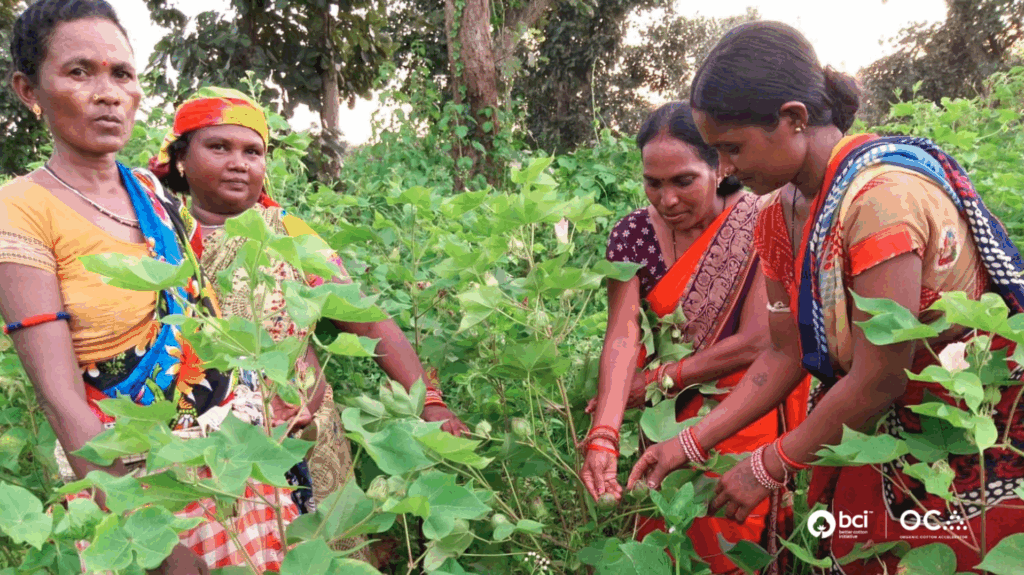
Better Cotton and the Organic Cotton Accelerator brought farmers from Gujarat, Odisha, and Maharashtra into an OECD Forum session with brands and civil society on human rights and environmental due diligence. The discussion included one farmer leader working with 500 women farmers, while participants stressed long-term investment, fairer incentives, and systems that reflect real farm pressures. This matters because cotton compliance expectations are increasingly being shaped beyond the farm, but implemented at the farm. Expect brands under due diligence pressure to face sharper questions on whether their sourcing models genuinely fund farmer-level change.
© 2026 Cotton Guru. All Rights Reserved. | Designed by AdvertSneak Technology