Services

Biochar

Biochar

Introduction

Biochar: a soil-friendly, long-term carbon solution. We turn cotton residue into stable soil carbon that improves yields, reduces burning and creates new income streams for farming communities.

What is biochar?


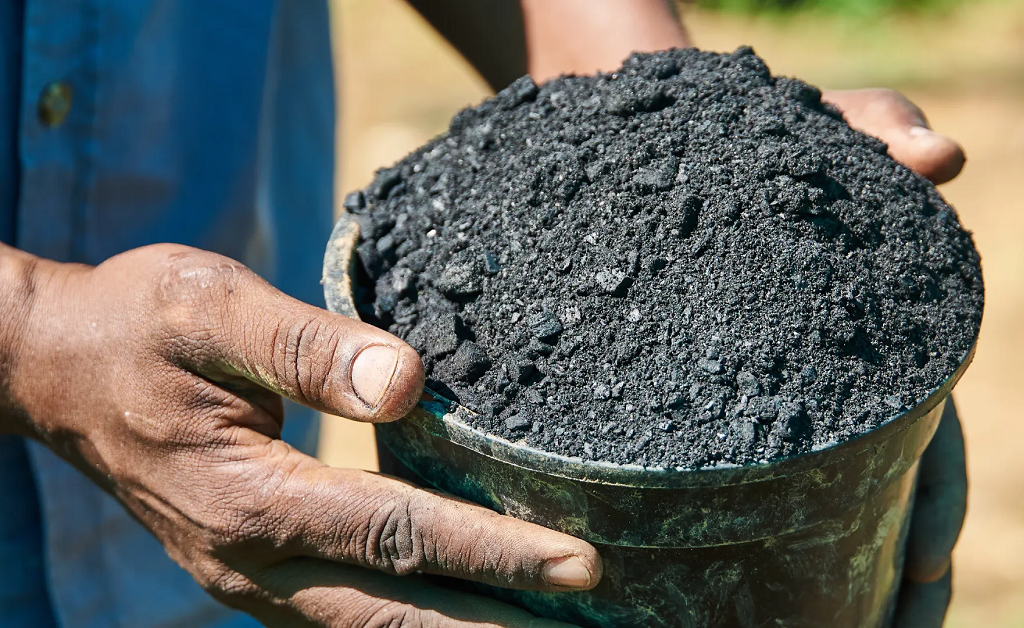
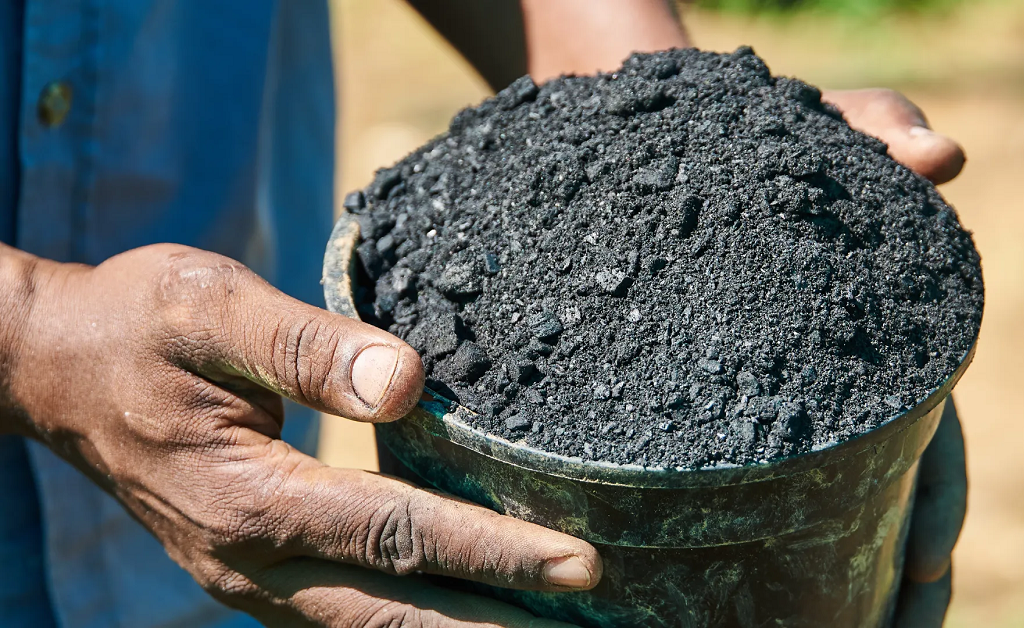
Biochar is a carbon-rich product made by thermally converting agricultural residues in a controlled, low-oxygen process (pyrolysis). When correctly produced and applied, biochar improves soil health, stores carbon long-term and reduces the need for chemical fertilisers.

How CottonGuru implements biochar projects

  • Local feedstock collection: We gather cotton stalks and other crop residues, measure moisture and document the source for traceability.
  • Community production: Biochar is produced in local, low-emission pyrolysis units (e.g., Kontiki-style kilns) under standardised procedures to ensure quality and safety. Operators record batch IDs and process photos.
  • Activation & blending: Raw biochar is mixed with compost, vermicompost or farm amendments to charge it with nutrients and microbes before distribution.
  • Application & agronomy: We train farmers on application methods and integration with organic soil practices to maximise yield, water retention and nutrient efficiency.
  • Digital recording & verification: Every batch and application is recorded (batch IDs, geo-tagged photos, supervisor sign-offs). These records are used for monitoring, evaluation and carbon accounting.

Climate Impact

Benefits, measurable impact and quality assurance

Benefits
  • For soil: Improved water retention, nutrient retention and enhanced microbial activity.
  • For climate: Durable storage of carbon in soils, reducing net greenhouse gas emissions when accounted properly.
  • For farmers and communities: Reduced field burning, new local employment in production and processing, and potential revenue from carbon credits.
Impact We Measure
  • Hectares treated with biochar and compost
  • Quantity of biochar produced and applied (batch-level records)
  • Soil health indicators (organic carbon, structure, water retention)
  • Reduction in field burning and local air pollution
  • Carbon removals eligible for accounting under registry methodologies (where applicable)
Quality & Safety Controls
  • Moisture checks, feedstock documentation and controlled pyrolysis to ensure consistent biochar quality.
  • Activation with compost or vermi-compost to improve agronomic performance.
  • Batch traceability and geo-tagged evidence for monitoring and verification.
FAQ

Short FAQ

Is biochar the same as charcoal?

Biochar is similar to charcoal but is produced and used specifically to improve soils and sequester carbon. Proper production and activation differentiate agronomic biochar from cooking charcoal.

Will biochar reduce fertiliser needs?

When charged with compost or nutrients, biochar improves nutrient retention and can reduce fertiliser requirements over time.

How will farmers benefit from biochar?

Farmers benefit from biochar by improving soil health, increasing crop yields, and reducing input costs through enhanced soil structure, improved water and nutrient retention, and increased microbial activity.