Services

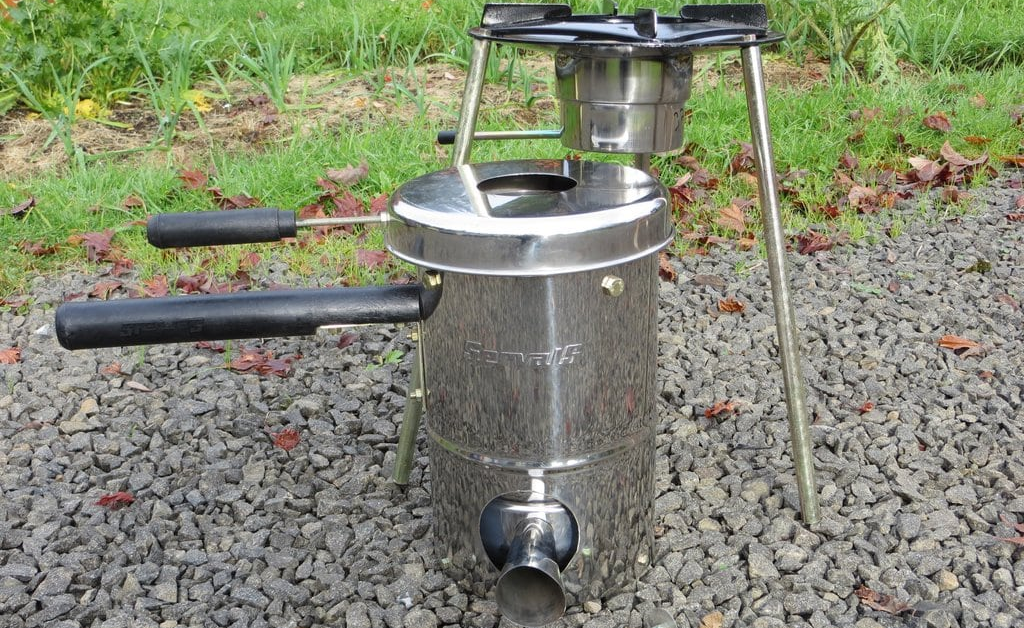
TLUD Cookstove
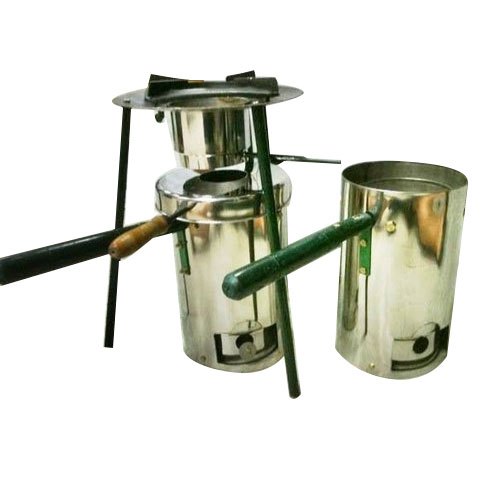
TLUD Cookstove

Introduction:

The TLUD (Top-Lit UpDraft) cookstove is a low-emission, fuel-efficient biomass stove that converts agricultural residues into clean heat for cooking and into nutrient-friendly biochar for soil. It reduces indoor air pollution, lowers fuel needs, and creates a practical pathway to improve soil health while recovering value from crop residues.

How it works:

The stove is lit from the top. Heat causes the biomass below to undergo pyrolysis, releasing combustible gases that burn cleanly in a hot combustion zone. The result: an efficient flame, much less smoke, and a leftover char that can be used to improve soil.

Key benefits:

  • Health: Greatly reduces smoke and harmful indoor air pollutants compared with open-fire cooking.
  • Fuel savings: Higher thermal efficiency means households use less firewood or crop residue per meal.
  • Soil health: Generates biochar that, after simple activation, improves soil water holding, nutrient retention and long-term carbon storage.
  • Local value: Uses local agricultural residues (for example, cotton stalks), reduces open-field burning, and can create small local enterprises around stove assembly, fuel preparation and biochar activation.

Climate Impact

TLUD Cookstoves: clean energy, healthier homes and regenerative farming

A circular climate solution linking clean cooking, carbon reduction and soil regeneration through community-led biochar production.

For farmers & communities
  • Reduced time and cost for fuel collection.
  • New income opportunities from selling activated biochar or operating community biochar stations.
  • Fewer smoke-related illnesses and cleaner, healthier kitchens.
  • Integration with on-farm soil fertility programs to increase crop resilience and yields.
Practical notes
  • Fuel: Dry, small-diameter biomass (sticks, stalks, crop residue) with moisture below ~20%.
  • Training: Guidance on top-lighting, airflow control and safe handling of hot char.
  • Maintenance: Regular ash removal and inspection for rust or damage.
  • Biochar use: Activate char with compost or urine/cow dung before soil application.
Implementation steps
  1. Community consultations and user selection.
  2. Demonstration sessions and hands-on user training.
  3. Distribution and follow-up training on fuel preparation and safe handling.
  4. Establish biochar activation and collection points.
  5. Monitor stove use, fuel savings, indoor air quality and biochar use on farms.
Impact indicators we track
  • Households using TLUD stoves and trained.
  • Fuel consumption per household (before vs after).
  • Indoor air pollution changes (PM2.5 / CO).
  • Quantity of biochar produced, activated and applied.
  • Farmer-reported soil, crop and input-cost changes.

To integrate TLUD cookstoves into an on-farm sustainability program or to pilot stove + biochar deployment in your villages, 

contact CottonGuru to design community-led training, monitoring protocols and biochar-to-field plans.

Get in touch